
Is it safe to Drive in Botswana 2027: Self-Drive Safety Guide
Yes, driving in Botswana is generally safe, but the primary hazards are road conditions and roaming wildlife rather than crime. While the main tarred highways connecting urban centers are well-maintained and in good condition, navigating remote areas, deep sand tracks, and unpredictable driving standards requires thorough preparation. In fact, statistical data shows that traffic accidents present a much greater risk to travelers in Botswana than violent crime.
The safety of your trip will heavily depend on your preparation and driving habits. The breakdown below details the key hazards and essential rules for navigating the country safely:
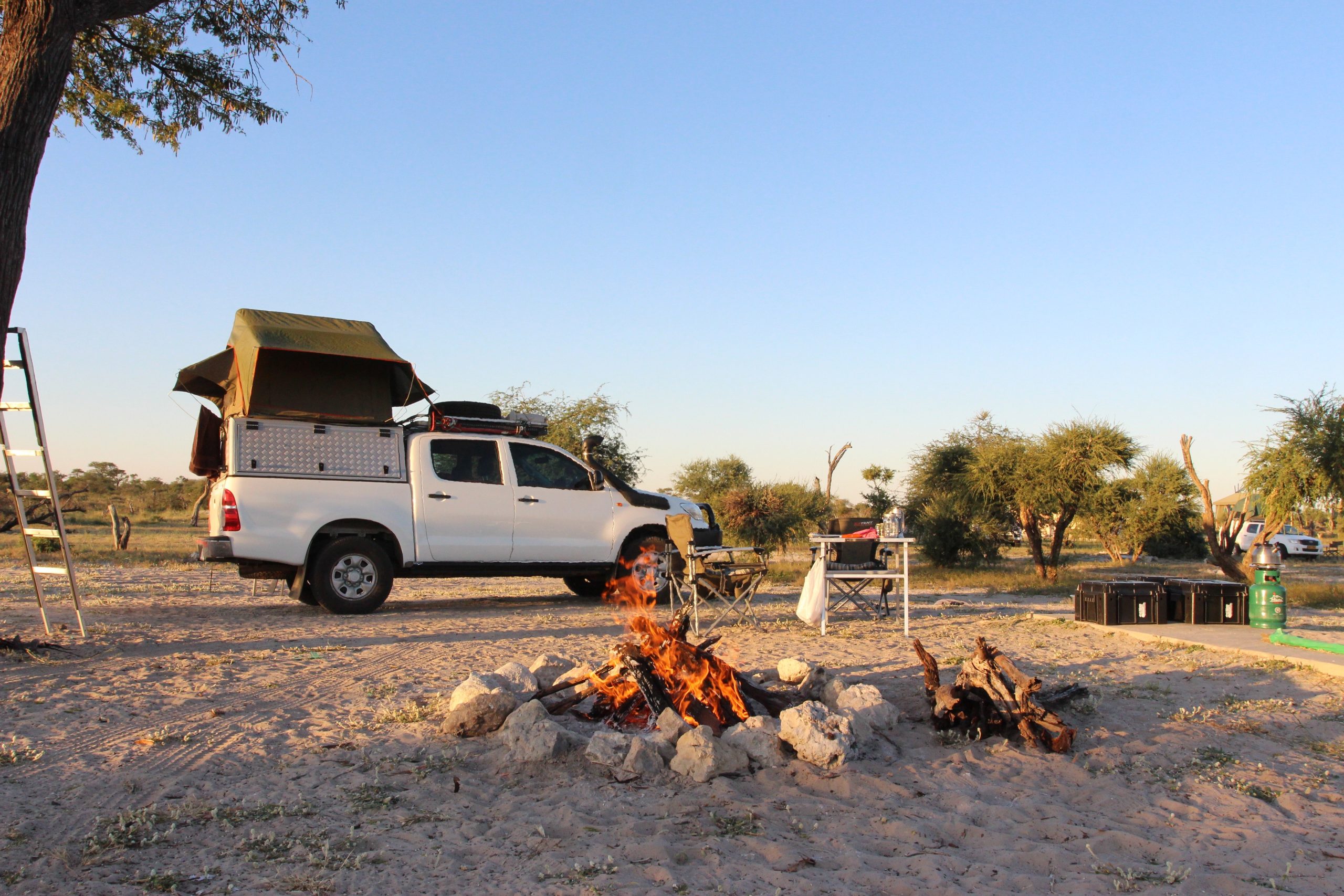
Is it safe to Drive in Botswana
Key Driving Hazards
Wildlife and Livestock: This is the single biggest hazard on Botswana’s roads. Elephants, cows, donkeys, and goats frequently wander onto main highways and rural roads.
Night Driving: Driving after dark outside major cities is highly dangerous and strongly discouraged. Rural highways are completely unlit, making dark-skinned animals invisible until they are directly in your headlights. Furthermore, driving after dark is strictly prohibited inside national parks and game reserves.
Challenging Off-Road Terrain: If you are heading into top safari destinations like the Okavango Delta or Chobe, the “roads” transition into deep sand, thick mud, and seasonal water crossings. Getting stuck in a remote area without a signal can quickly become an emergency.
Extreme Distances & Isolation: Botswana is vast and sparsely populated. You may drive for hundreds of kilometers between towns without encountering a gas station, cell service, or emergency medical help.
Essential Requirement Road Rules
Drive on the Left: Traffic moves on the left side of the road, which can require extra concentration if you are used to driving on the right.
Vehicle Type: A 4×4 vehicle with high ground clearance is strictly required for national parks and remote tracks. A standard sedan is only safe for the main paved highways.
Speed Limits: Generally 120 km/h (74 mph) on open highways and 60 km/h (37 mph) in built-up areas. Police strictly enforce these with random radar checks.
Licensing: You will need your valid domestic driver’s license alongside an International Driving Permit (IDP).
Fines & Corruption: On-the-spot speed fines are common, but you should never pay cash directly to an officer at the roadside. Always request an official citation to pay at a local police station.
️ Pro-Tips for a Safe Self-Drive
Rent the Right Gear: Ensure your rental vehicle features dual fuel tanks, two spare tires, and basic recovery gear (like traction boards and a tow strap).
Download Offline Maps: Do not rely on cellular data. Utilize specialized off-road mapping apps like Tracks4Africa, and consider renting a satellite phone for emergency communication in dead zones.
Check Water Crossings: Never blindly drive through standing water. If a track is flooded, you—or your travel partner—should physically wade through the water first to check the depth (maximum 700mm for most 4x4s) and look out for hidden holes or drop-offs.
Secure Medical Evacuation Cover: Ensure your travel insurance explicitly includes bush/air evacuation insurance. If you have a medical crisis or severe accident in the wild, an emergency helicopter transport is often the only viable rescue method.