
Is it safe to Drive in Kenya 2027: Safety And Security Guide
Driving in Kenya is generally safe for tourists if you adhere to strict safety guidelines, practice defensive driving, and avoid traveling at night. Millions of international tourists successfully navigate the country each year, particularly along popular safari corridors and well-mapped routes. However, it presents unique challenges—such as erratic traffic, poor infrastructure, and security risks—that make it highly demanding for novice or inexperienced drivers.
Major Driving Risks in Kenya
The “Golden Rule” (No Night Driving): Driving after dark is highly discouraged outside of well-lit city centers. Unmarked potholes, wandering livestock, unlit vehicles, and poor visibility turn night roads into severe hazard zones. National parks enforce strict bans on self-driving after sunset.
Aggressive Traffic & Public Transit: Local minibuses called Matatus and motorcycle taxis (Boda bodas) drive aggressively, stop abruptly, and frequently ignore lane markers. Heavy trucks on single-lane highways also cause massive traffic gridlocks and prompt reckless overtaking by other drivers.
Road and Infrastructure Conditions: While major highways like the Nairobi–Mombasa route are smooth, minor roads and park tracks deteriorate rapidly, turning into thick mud during the rainy seasons.
Vehicle and Petty Crime: Carjackings, opportunistic bag-snatching through open windows, and the theft of car parts (like mirrors) are prevalent in urban areas and near busy transport hubs.
Essential Requirement Rules & Tips for Tourists
Side of the Road: Kenya drives on the left side of the road (similar to the UK).
Licensing: Foreigners must carry an International Driving Permit (IDP) alongside their original domestic license.
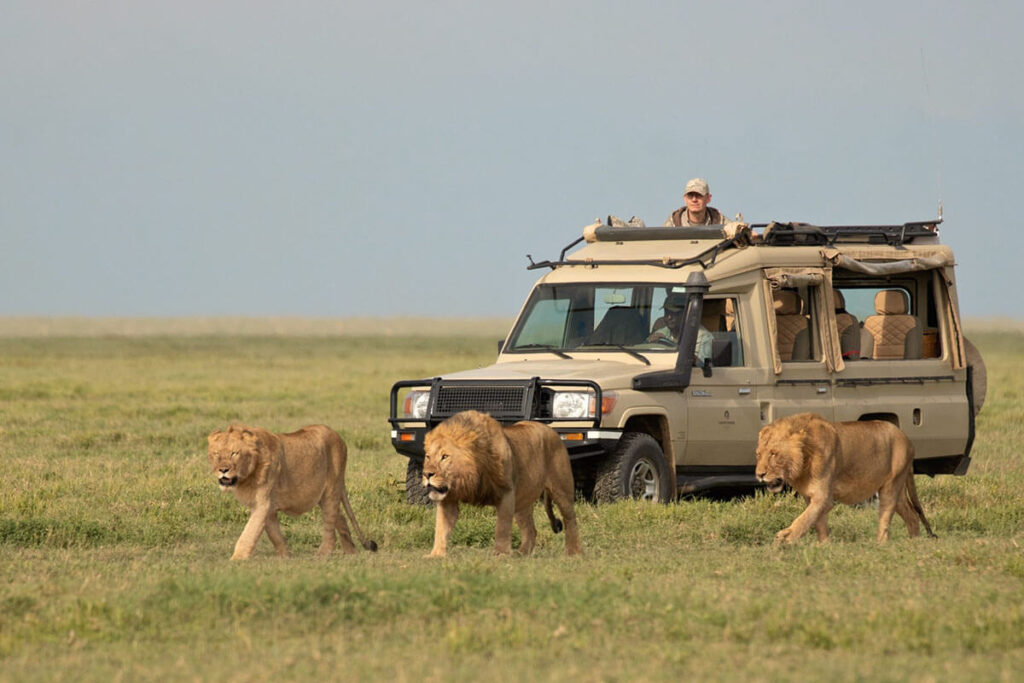
Vehicle Choice: A 4WD vehicle with high ground clearance is strictly necessary if you plan to visit national parks like the Maasai Mara or Amboseli.
Left Indicator Rule: On single-lane highways, if a slow truck ahead flashes its left indicator, it means the road is clear to overtake. A right indicator means stay back.
Urban Security: Keep windows rolled up, doors locked, and valuables hidden completely out of sight under the seats or in a glove box.
Speed Bumps: Watch out for “sleeping policemen” (unmarked, unpainted speed bumps) when approaching small towns or schools.
The Alternative: Hiring a Local Driver
Because of the chaotic traffic patterns and routine police checkpoints, many travel authorities and past visitors recommend hiring a local driver-guide through a reputable tourism operator rather than self-driving. A local driver handles navigation, language barriers, and checkpoint paperwork, significantly lowering your stress.