
Is it safe to Drive in Uganda 2027: Expert Guide
Driving in Uganda is generally considered safe for tourists, provided you drive defensively and strictly adhere to local road safety rules. While the major tourist routes are well-paved and in decent condition, navigating the country requires adjusting to a high rate of traffic accidents, aggressive overtaking, and distinct urban chaos.
Many visitors choose to hire a local driver through rental agencies rather than opting for a self-drive holiday. A local driver helps navigate unpredictable traffic patterns, manages logistical checkpoints, and removes the stress of driving in a new environment.
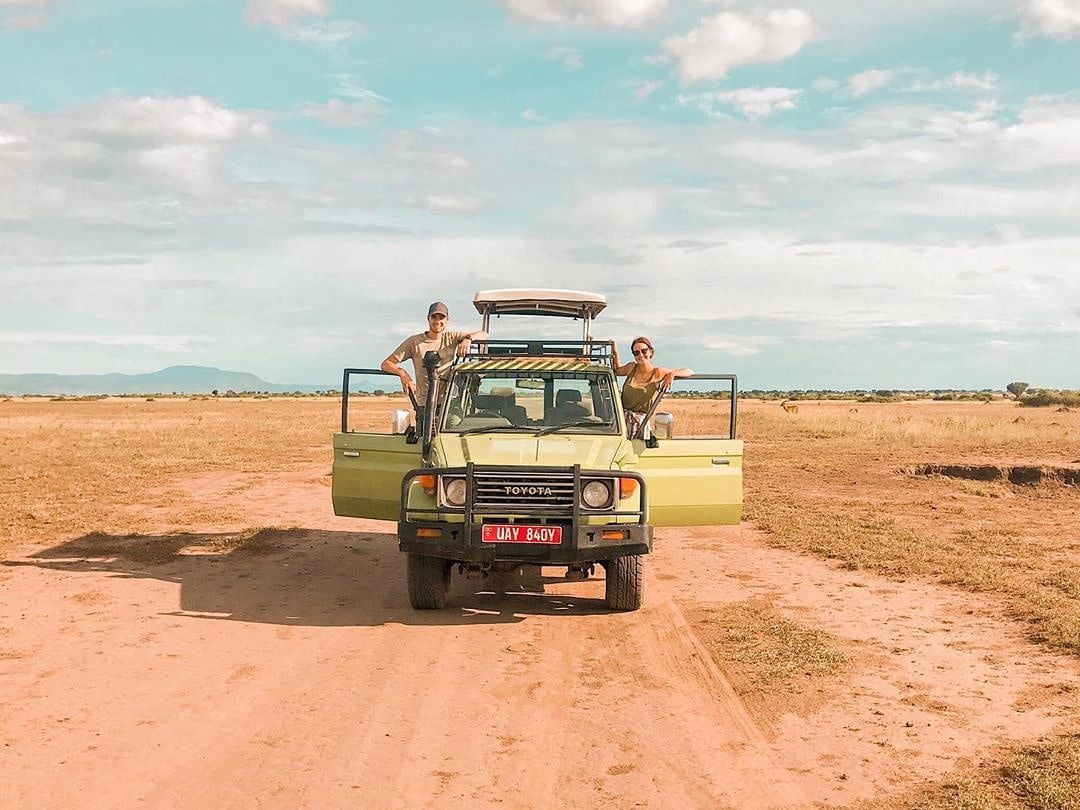
⚠️ Essential Road Safety Hazards
Avoid Night Driving: Professional safari operators and rental agencies strongly advise against driving after dark. Many roads lack streetlights, and pedestrians, livestock, or broken-down vehicles without working lights can create sudden, invisible obstacles.
Boda Bodas and Matatus: In urban areas like Kampala, motorcycle taxis (boda bodas) weave through traffic unpredictably. Shared minibuses (matatus) are notorious for stopping abruptly anywhere to pick up passengers. According to Uganda Traffic Police, pedestrians and motorcyclists account for roughly 82% of all road fatalities, meaning you must stay highly alert around them.
Aggressive Overtaking: Oncoming buses and large coaches often overtake aggressively on blind corners or hills, assuming smaller vehicles will pull off to the side to make room.
Animals on the Road: Rural highways are entirely unfenced. It is common for cattle, goats, and dogs to wander into the road. If your route cuts through a national park (such as Lake Mburo), watch for wildlife, which always has the right of way.
Driving Rules & Guidelines
Drive on the Left: Traffic moves on the left side of the road.
Driver’s License: You do not need an international driver’s license. A valid, unexpired license from your home country is legally sufficient for tourists.
Speed Limits: Enforcement has become increasingly strict, with lower limits designed for safety. Speed limits generally cap at 30 km/h to 50 km/h in urban areas and 80 km/h to 100 km/h on major highways, though conditions like gravel (murram) roads require dropping below 60 km/h to avoid losing traction.
Police Checkpoints: Routine checkpoints are common along major highways. If flagged down, pull over safely, remain courteous, and present your driver’s license and vehicle rental registration papers.